






A tropical island with ideal habitat for this endangered glider is a new focus in recovery efforts.
Read More
IDENTIFYING FISH BARRIERS
CONNECTING WATERWAYS FOR SUSTAINABLE RECREATIONAL FISHING
Overview
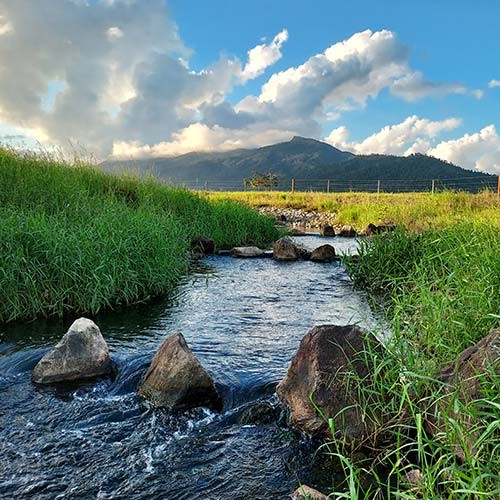
This project is identifying man-made barriers that are impacting connectivity between freshwater and estuarine fish habitats in the Barron, Daintree and Mossman catchments. At least one high priority barrier will be mitigated.
Background
The focus catchments are a diversity hotspot for diadromous freshwater fish species – adults spawn in estuaries and the juvenile fish migrate upstream to wetlands where they mature into adults. Barriers like weirs, drains and culverts that stop fish moving between these habitats, are a threat to the health of recreationally and ecologically important fish stocks.
Solutions
- Developing a GIS-based inventory of all potential fish barriers
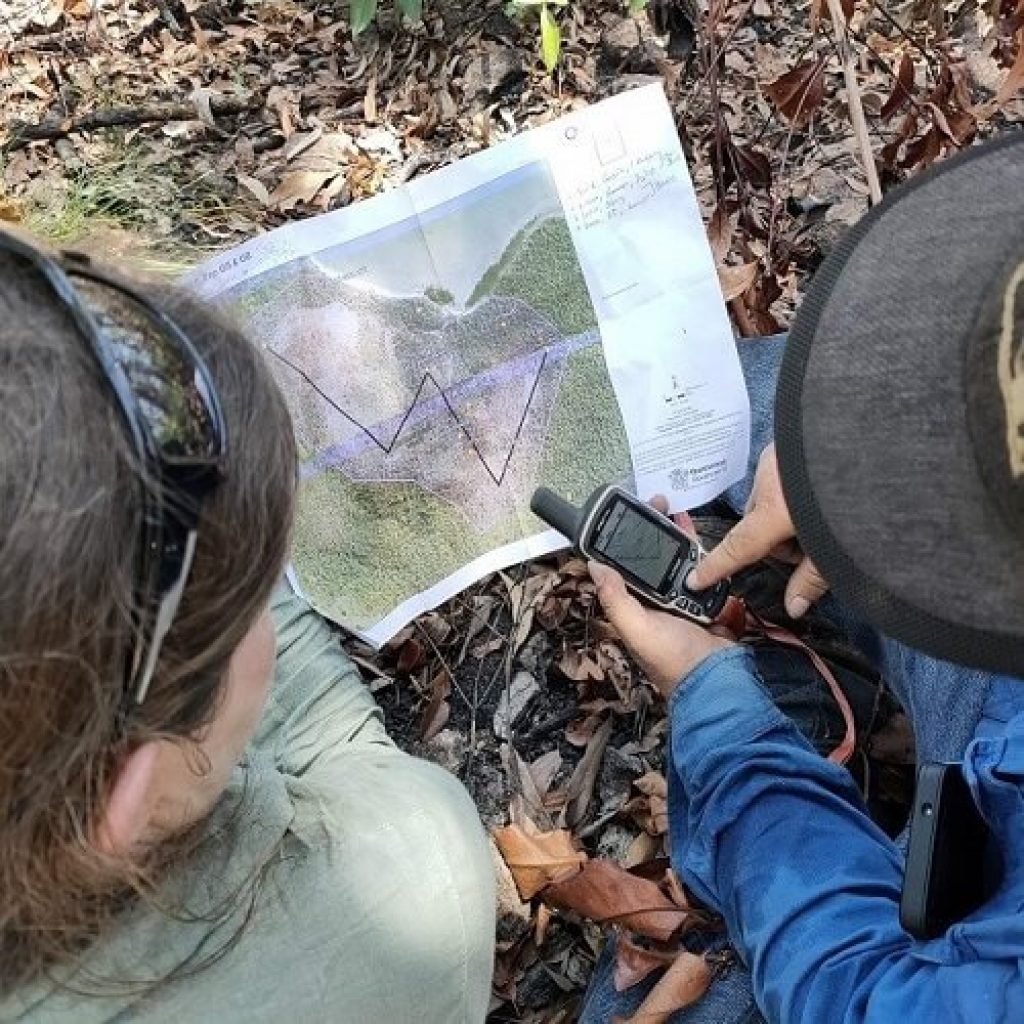
- Ground-truthing and site-assessing the inventory’s top 100 priority barriers
- Habitat augmentation of at least one barrier
- Fish barrier assessment training to build local capacity to undertake citizen science monitoring
- Ongoing monitoring regime established
Factsheets
Location
Lower Barron, Mossman and Daintree catchments.
Partners
This project will engage with landholders, recreational fishers, landcare groups and Traditional Owners.
Funders
This two-year project will run until June 2023 and is funded through the Australian Government’s National Landcare Program.

RELATED PROJECT IMAGES
RELATED NEWS

Lowland rainforest listed as endangered
 Elaine
 December 20, 2021
Lowland Tropical Rainforest of the Wet Tropics has been listed as endangered...
Read More

Mangrove Watch Expands
Monica Haynes
December 14, 2021
Program will establish baseline data on mangrove health in Hinchinbrook
Read More


