







Have you had experiences with cassowaries on roads in the Mission Beach region?
Read More
COASTAL ECOSYSTEMS: FISH HOMES & HIGHWAYS
IMPROVING FISH HABITAT CONNECTIVITY
Overview
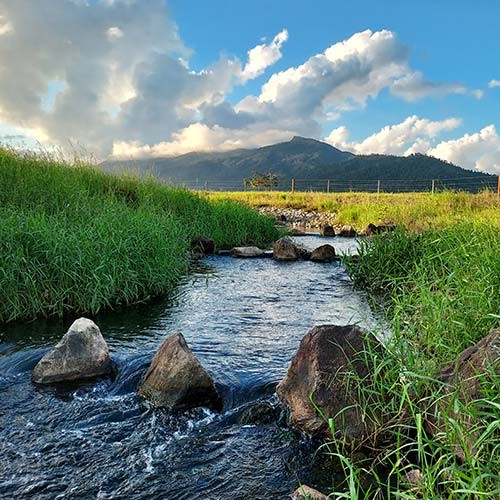
This project is improving the connectivity of fish habitats in the nationally significant wetland areas and coastal ecosystems of the Murray and Lower Herbert.
Background
Australia’s freshwater fish species spawn in estuaries and then migrate upstream to wetlands where they mature into adults. This means that barriers such as weirs, drains and culverts as well as aquatic weeds and feral pigs, are a threat to fish populations and diversity.
Solutions
- Managing threats to wetlands including feral pigs and aquatic weeds.
- Improving drainage and waterway management including erosion control
- Removing fish barriers and installing engineered solutions such as fish ladders
- Engaging with landholders about improving fish habitat on their properties
Location
Murray and Lower Herbert catchments
Partners
This project engages widely with landholders, Traditional Owners, farmers, local government and local community organisations.
Achievements
- Over 3300 fish barriers identified via desk research
- More than 200 assessed on-ground to prioritise remediation works
- Prioritisation final report prepared
- 60 hectares of hymenachne aerial sprayed
- 300 hectares of feral pig control
- 2 hectares of riparian revegetation
Funders
The Australian Government’s Reef Trust Phase VII program.
THE PROJECT IN ACTION
RELATED NEWS

Mamu rangers care for country
 Elaine
 July 26, 2022
Mamu has its first indigenous rangers caring for country - and a new water monitoring project...
Read More
Weed Control Trials
Elaine
June 28, 2022
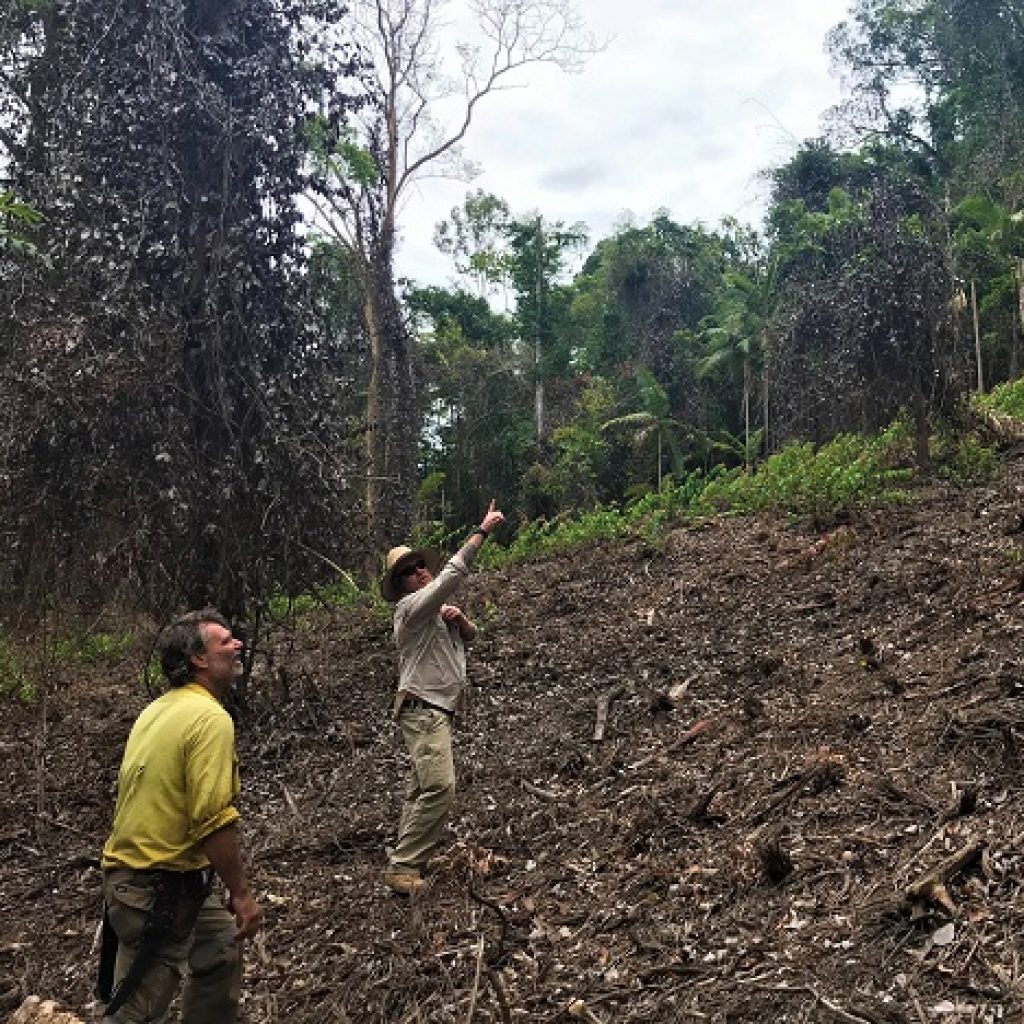
Councils are trialling different methods to protect rainforest and restore creekside vegetation.
Read More


