





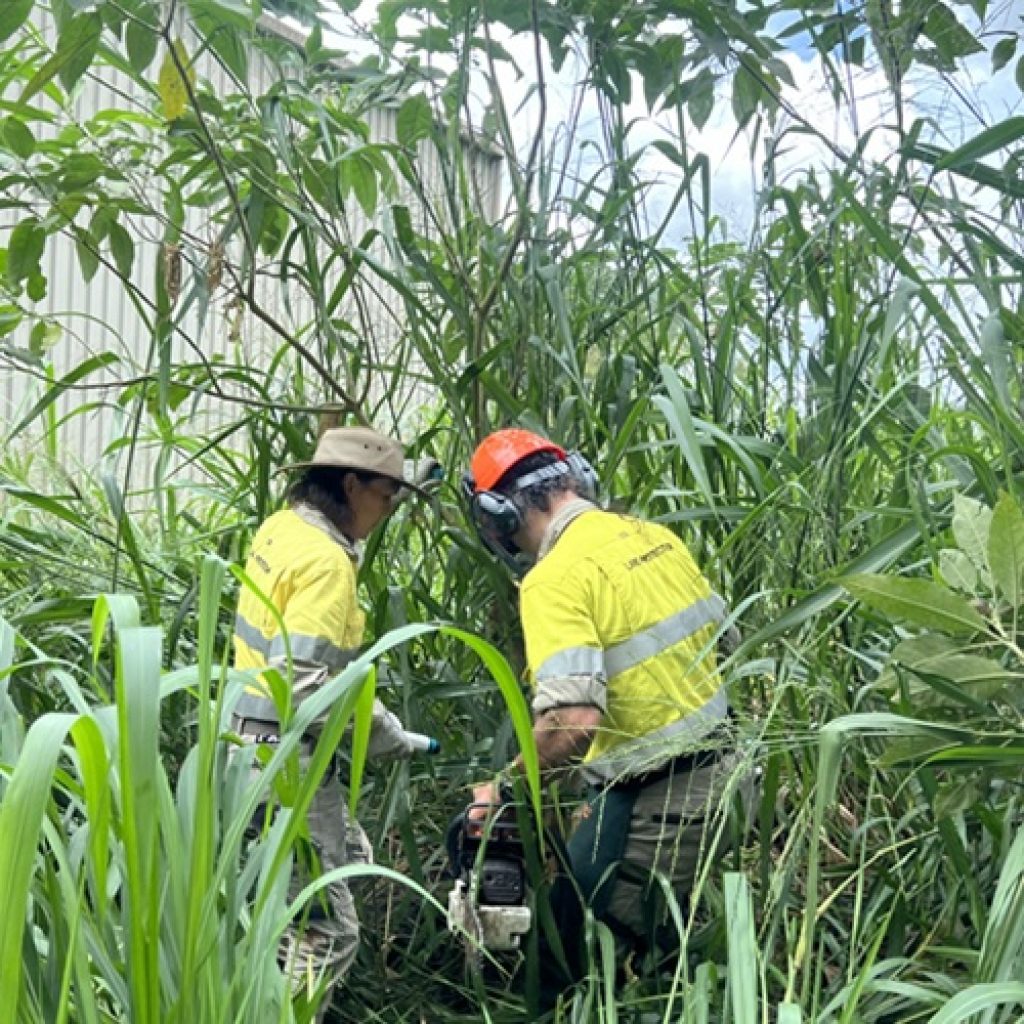
More than 4000 wild bush plants removed on the Tablelands
Read More
BIOSECURITY RISKS OF THE WET TROPICS
WILD TOBACCO BUSH ALERT FOR THE TABLELANDS
24 NOVEMBER 2025
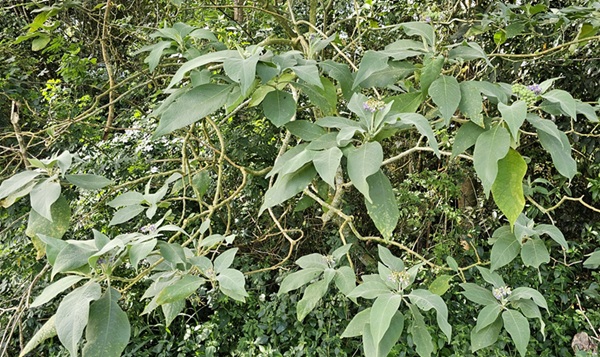
The community is being urged to act to reduce spread of toxic Wild Tobacco Bush [Solanum mauritianum] across the Tablelands.
Wild Tobacco Bush is an invasive weed introduced to Australia in the 1940s. It is continuing to spread across the Tablelands, posing risks to people, livestock, native wildlife and local ecosystems.
Wild Tobacco Bush is different to commercial tobacco, though they’re from the same family.
The fast-growing shrub—reaching up to four metres—produces fruit that is readily eaten by birds and bats, helping the plant spread rapidly across disturbed areas such as roadsides, fence lines, pastures and rainforest edges. Once established, Wild Tobacco Bush forms dense thickets that out-compete native trees and dominate the landscape.
The weed can also harbour paralysis ticks, and its leaves and sap are toxic to humans and animals. The fine hairs on the leaves can cause irritation, and ingestion of plant material may lead to illness in livestock.
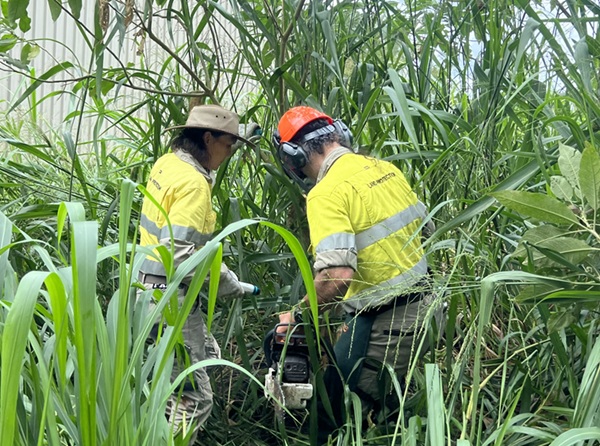
Terrain NRM has been working in partnership with Tablelands Regional Council and the Tablelands Yidinji and Ngadjon peoples to manage this weed on private properties across Yungaburra, Tolga and Malanda—an identified hotspot with extensive infestations. Significant areas were mapped in the southern Tablelands last year, and more than 4,000 wild tobacco plants were treated.
Terrain NRM Project Coordinator Evizel Seymour, urged the community to stay alert and take action early.
“Wild tobacco spreads quickly, so early treatment is essential,” she said. “If you have small bushes in your garden, wear protective clothing—including covering your arms, hands and mouth—as some people react to the fine hairs on the plant. Effective control methods include mechanical removal of young plants, cut-and-paste treatment, basal bark application or foliar spraying.”
Ms Seymour encouraged landholders with large or dense infestations to seek support.
“For bigger patches, it’s best to contact Council or Terrain NRM so the area can be assessed and managed safely and effectively,” she said.
RESOURCES:
Check out your Local Government’s Biosecurity Plan available through your Council’s website.
Refer to the Queensland Government Pest Fact for blue thunbergia for detailed control information and herbicide rates.
 Download factsheet this about woody weeds in the Wet Tropics
RELATED NEWS
Know Your Weeds: Thunbergia Vine
 admin@terrain
 November 20, 2025
Introduced for its striking flowers, thunbergia is highly invasive
Read More
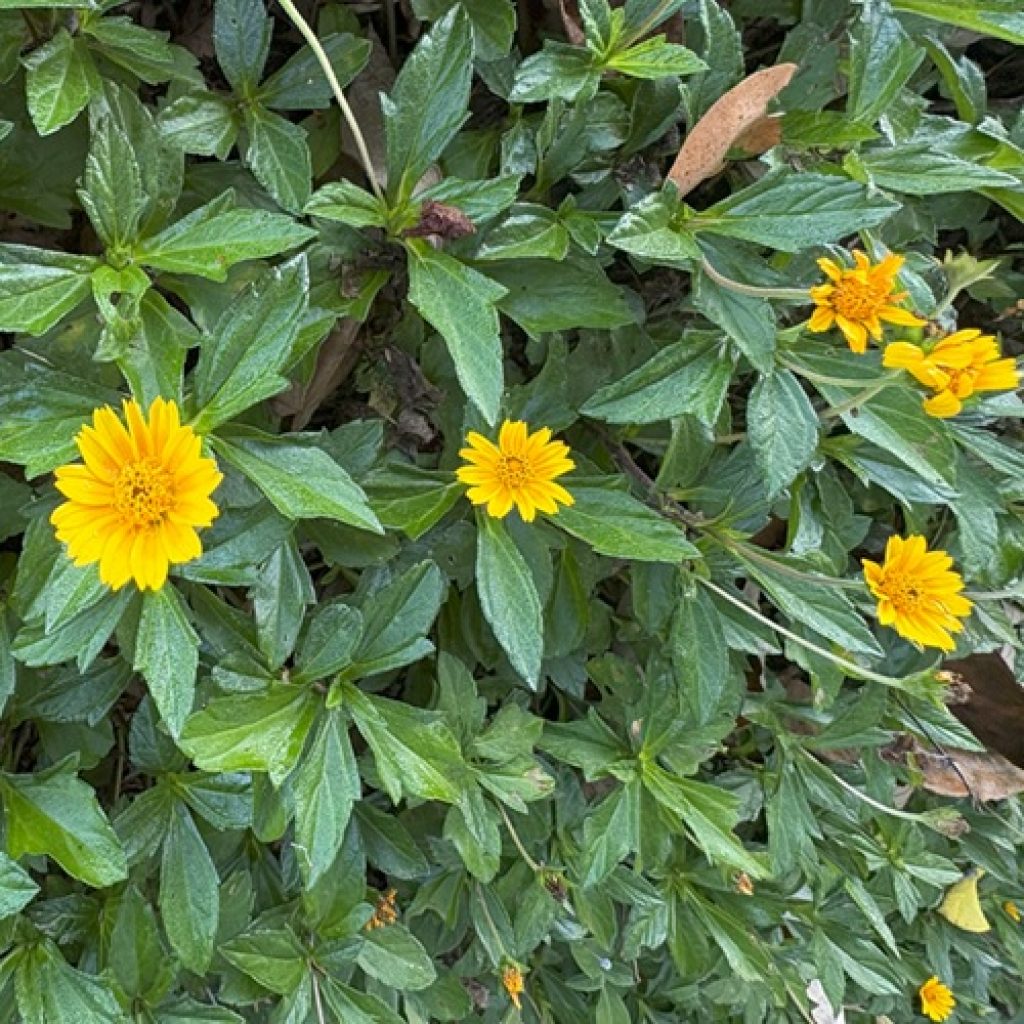
Know Your Weeds: Singapore Daisy
admin@terrain
November 11, 2025
It looks pretty but it is an aggressive fast-growing weed
Read More


