





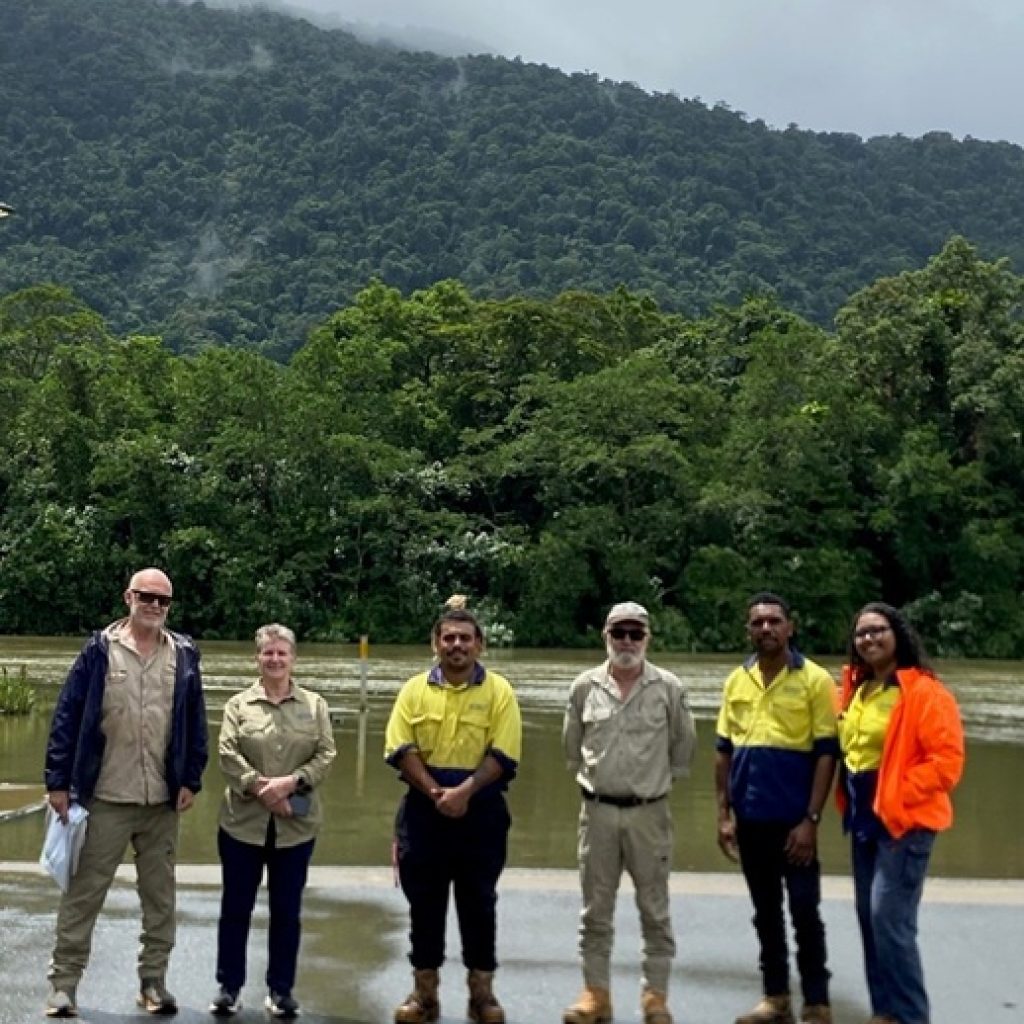
Hundreds of pond apple trees removed at the Russell River...
Read More
REEFWISE FARMING
IMPROVING CANE PRODUCTIVITY AND WATER QUALITY
A $7.5 million project will help sugar cane growers in the Wet Tropics continue to fine-tune farming practices – increasing productivity and improving the quality of water flowing to the Great Barrier Reef.
Terrain NRM has secured funding through the Australian Government’s Reefwise Farming Program for a two-and-a-half-year project focusing on fertiliser application and managing crop diseases and pests.
The project will help cane growers across more than 6700 hectares from Cairns to Ingham, and will support on-farm activities that hone in on pesticide and dissolved inorganic nitrogen (DIN) entering our waterways, as well as particulate nitrogen and phosphorous.
Partnering with Canegrowers and Sugar Research Australia
Terrain NRM is working with Canegrowers Cairns, Canegrowers Innisfail, Sugar Research Australia and Canegrowers Herbert River on the project, which will include dollar-for-dollar grants for cane farmers adopting new practices, nutrient management plans, farm trial sites and field days.
The Herbert, Tully, Johnstone and Russell-Mulgrave catchments rank among the highest priorities in the entire Great Barrier Reef catchment for reducing dissolved inorganic nitrogen (DIN) and pesticide loads to the Great Barrier Reef lagoon.
Terrain NRM’s Jamie Thornberry said on-farm practice change and innovation was continuing to play a pivotal role in the delivery of water quality outcomes for the region.
“As a region with high rainfall and a close proximity to the reef, intensive agricultural systems will continue to be presented with unique challenges,” he said.
“Farmers have come a long way in accepting these challenges as a part of doing business in the region and continuing to manage nutrient runoff, sediment and pesticides to achieve water quality outcomes.”
Scaling up proven changes to farming practices
He said the new project would scale up changes to farming practices that had proven to be effective over a number of years, with actions tailored to each part of the region.
“Projects will be targeting the specific needs of each region, with dollar-for-dollar grants in the Ingham and Cairns areas to support things like changing fertiliser application methods, laser-levelling, precision application of mill mud and ash, and optimising liming practices.
Extension help with new or updated nutrient management plans
“Extension officers will be working with growers in the Tully and Innisfail regions on new or updated nutrient management plans, and on everything from identifying and managing crop constraints to ameliorant and cane variety selection. They will also be working with growers in the Cairns and Ingham regions.
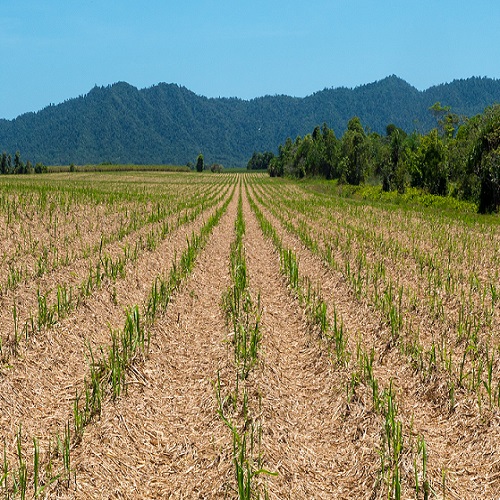
Trial sites on farms
“There will be trial sites on farms in each region, field days and shed meetings. In the Tully region, there will also be paddock-scale water quality monitoring. At the Tully demonstration site, Sugar Research Australia agronomist Nancy Rincon is keen to test the idea that nitrogen rates can be reduced after applying mill mud (about 75 wet tonnes per hectare) without compromising yield.”
The project has already begun in the Innisfail region. Innisfail Canegrowers Manager Deb Telford said cane growers have been participating in soil constraint identification, as well as receiving localised data to help them make the best decisions possible for their enterprises.
“This project is allowing us to further work with growers at an enterprise level to improve their nutrient use efficiency through improved productivity,” she said.
Dollar for dollar grants for growers
Canegrowers Herbert River’s project officer Leah Russo said the first two rounds of grants for local cane growers would support the adoption of improved farming practices that delivered significant water quality benefits while also enhancing farm productivity and profitability and creating an enduring legacy for the district.
“Projects like these provide growers with valuable opportunities to invest in equipment and technologies that may otherwise be beyond their financial reach. They enable meaningful practice change and deliver long-term environmental and economic benefits.”
The Reefwise Farming project is funded by the Australian Government’s Reef Trust to support the delivery of the Reef 2050 Long-term Sustainability Plan.
RELATED NEWS

Rediscovering native grasslands
 admin@terrain
 September 23, 2026
Grasslands were once widespread in this region...
Read More
New Water Quality Strategy
admin@terrain
August 25, 2026
Updated catchment priorities released
Read More


