





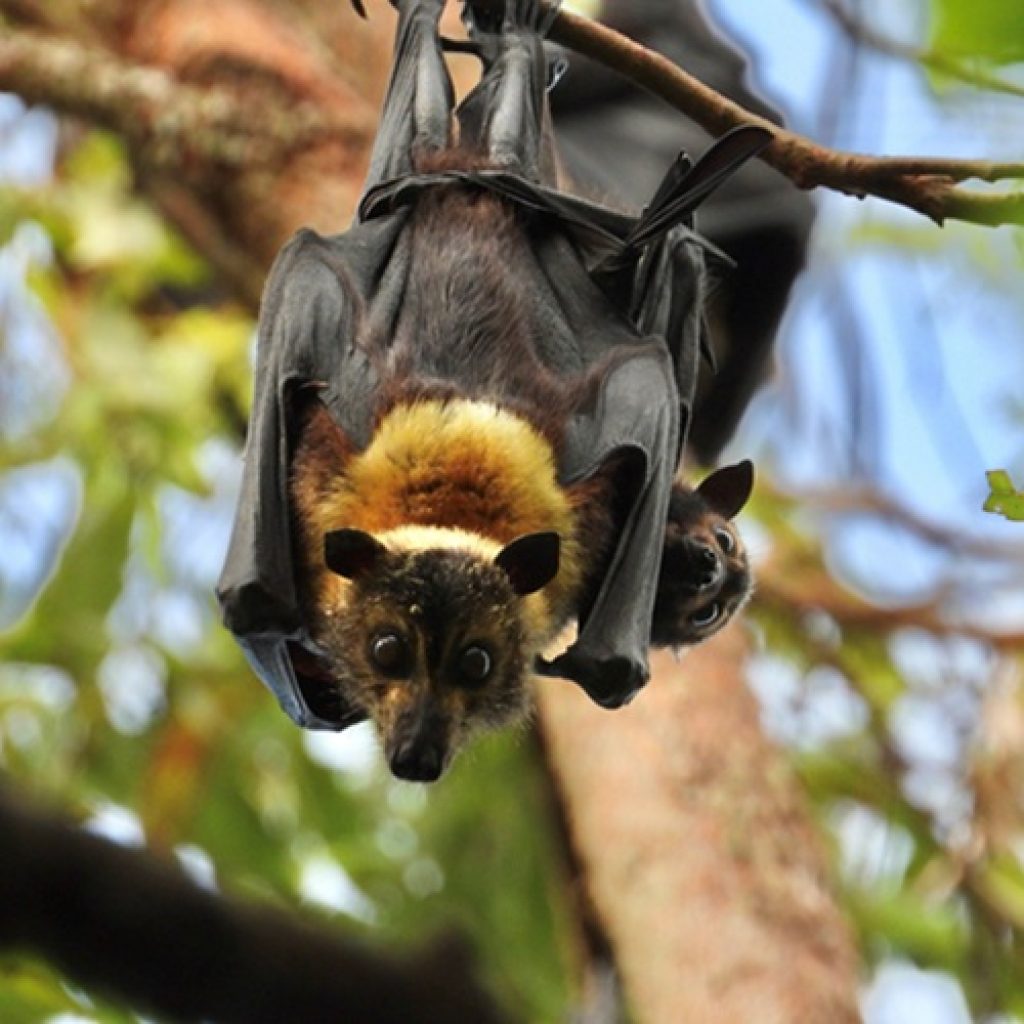
Reuniting abandoned pups with their mothers
Read More
SAVING THREATENED SPECIES
WILDLIFE-FRIENDLY FENCING: HOWE FARMING
3 JULY 2025
In our wildlife-friendly fencing series, we talk to James Howe from Howe Farming Enterprises about installing it in the Mareeba region.
“We fenced for biosecurity purposes and didn’t use a barbed wire on the top strand. There is nothing worse than seeing an owl hung up and broken-winged on barbed wire.
“It’s also for bats. Nothing deserves to die like that.
“We’ve got 10km of fencing to do now, to replace a 20-year-old fence that’s seen a few battles, and we’ll be replacing the top barbed wire with a straight wire there too.”
The top wire of fences causes 86 per cent of entrapments. At risk wildlife in Far North Queensland include masked owls, spectacled flying foxes, mahogany gliders, yellow-bellied gliders and greater gliders. They’re all endangered species.
Terrain’s Tony O’Malley says: “There are fencing options that can minimise risks to wildlife while still being effective for farming – and landholders are adopting these new solutions”.
We have a new factsheet with a range of options – whether you’re putting in new fences or maintaining existing fences.

Top strand options include barbless double-strand twisted wire (barbed wire without barbs) or plain wire.
For more information, visit: www.terrain.org.au/wildlife-friendly-fencing
RELATED NEWS
Removing pond apple
 admin@terrain
 September 23, 2026
Hundreds of pond apple trees removed at the Russell River...
Read More
Rediscovering native grasslands
admin@terrain
September 23, 2026
Grasslands were once widespread in this region...
Read More


